The headline said, ‘Eat 30 plants a week.’ So, I started counting. I am a vegetarian, yes, but I am not here to give the hard sell, I have seen too many people start enthusiastically and then go back to eating more meat than they did before. It’s better to let people make their own, informed, choice.
The funny thing is that I don’t even like vegetables much, so this is more a philosophical choice than a taste choice. I hide the vegetables I don’t like in dishes with plenty of other flavours. It’s worked for 40 years on and off, mostly on, and a plant based diet could work for you too.
So, going back to the 30 plants…
I started counting the vegetables we eat weekly on the back of an envelope. The usual range of fresh vegetables and fruit went down, but then I started asking questions. Does tinned and frozen count? I reasoned yes, as these still contain vitamins and fibre. Do I count fresh tomatoes and tinned tomatoes as different vegetables or the same? Do chickpeas and butterbeans count as one vegetable or two? Do grains count as plants? Herbs and spices? Peanut butter, dried fruit and walnuts on the cake I made last week? Chocolate, coffee and sugar are plant based – hmmm. There are so many questions (we should read the article!).
https://www.bbc.co.uk/food/articles/plant_points_explained
https://zoe.com/learn/30-plants-per-week
It’s easy to get caught up in the headlines and start down a path which is not right for you. When I first gave up meat in the early 1980’s, there were few meat substitutes, so a healthy diet came naturally, and I lost weight. I was vegan for a short while, but that was tough in the 1980s and very challenging when you are pregnant, so I returned to eating eggs and dairy products.
What do we mean by a plant-based diet? There are two main types of plant-based diets. In a vegan diet, protein sources come from beans and nuts only. In a vegetarian diet, dairy foods and eggs are eaten, some vegetarians don’t eat eggs. Other plant-based diets are variations of these two. Pescatarians eat fish and flexitarians are vegetarians who occasionally eat meat or fish.
Many individuals are simply choosing to have meat free days as part of their weekly diet. You have a lot of choice nowadays; you can choose an approach to cutting down meat which suits you and your lifestyle. If you do this, you are more likely to sustain your choice of diet.
It is important to make the point that you should consider your health before taking on a restrictive diet of any kind. If you are on a gluten free diet for instance, there are further challenges if you decide to be vegan, as getting the right balance of amino acids needs consideration, some plant-based foods lack some amino acids. However, there are plant-based foods which have complete proteins such as soy and quinoa so you can be gluten and dairy free. Always do a little research before making a change to your diet.
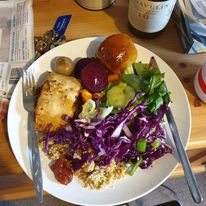
So, what are the benefits of including meat free days or going for a plant-based diet?
According to ZOE.com ( https://zoe.com/learn/what-is-a-plant-based-diet), people eating vegetarian diets have a 22% lower risk of heart disease. Research has shown that prevalence of type two diabetes in vegans is 2.9% compared with 7.6% in those who regularly eat meat. Some studies have shown that people who eat a plant-based diet have a 34% lower risk of developing hypertension. Plant based diets are higher in fibre, so you are less likely to be constipated, there are anti-inflammatory effects and many people lose weight. However, the many vegan and vegetarian convenience foods on the market can reduce the effectiveness of plant-based diets – it is possible to be an unhealthy vegetarian.

As meat production accounts of nearly 60% of greenhouse gases, a plant-based diet can help to reduce your carbon footprint. Again, beware of convenience foods as these can be highly processed and heavily packaged, reducing the environmental benefits of a plant-based diet.
So, like many people, you are interested in making a change to a more plant-based diet, how do you get started? Everyone has their own approach. This is a different way of eating, and your taste buds make take a while to adjust, many restaurants make the mistake of over seasoning vegetarian foods. The advice is to make the change slowly, replace meat with plant-based products for a few days each week, pasta and curry dishes are often good places to start and build up gradually.
Variety is important (I eat about 25 different types of fruit and veg across a week), buy some cookbooks to give you ideas. Herbs and spices actually do count in your 30 plants a week and can make simple foods taste amazing. When I was living on benefits, herbs and spices helped cheap food go further.
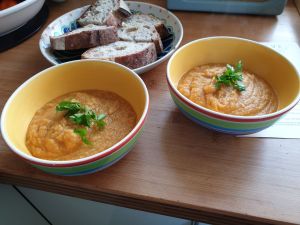
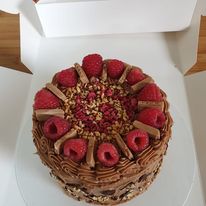
Finally, never say never, it is important to remain flexible, don’t ban foods as this makes them even more attractive. Nothing stops me eating meat, I just prefer not to. The occasional take away or chocolate cake is fine, maintaining the right balance is the most important factor.
As a personal trainer, I have some basic nutritional training, but I am not a formal nutritionist. I can give support and advice which will help you make the change to a plant-based diet for most people but may refer people to a nutritionist if they need specialised help. Drop me a line or give me a call if I can help in any way.
Contact@skeats-strength.co.uk
07904969538
You can message me on Facebook or Instagram
 Skeats Strength