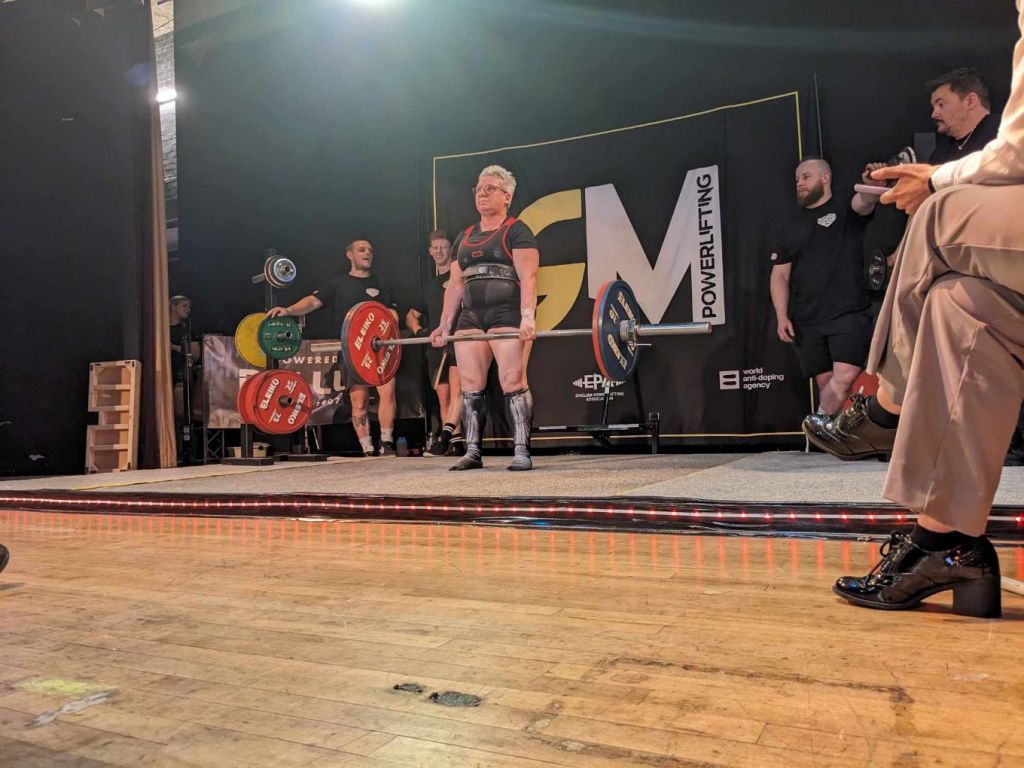
A few weeks ago I took part in a Powerlifting competition, that sounds pretty daunting but, when you go along to little local competitions, you quickly realise they are pretty low key, friendly and welcoming. Here I am, feeling triumphant lifting a 10kg personal best, from 105kg to 115kg.
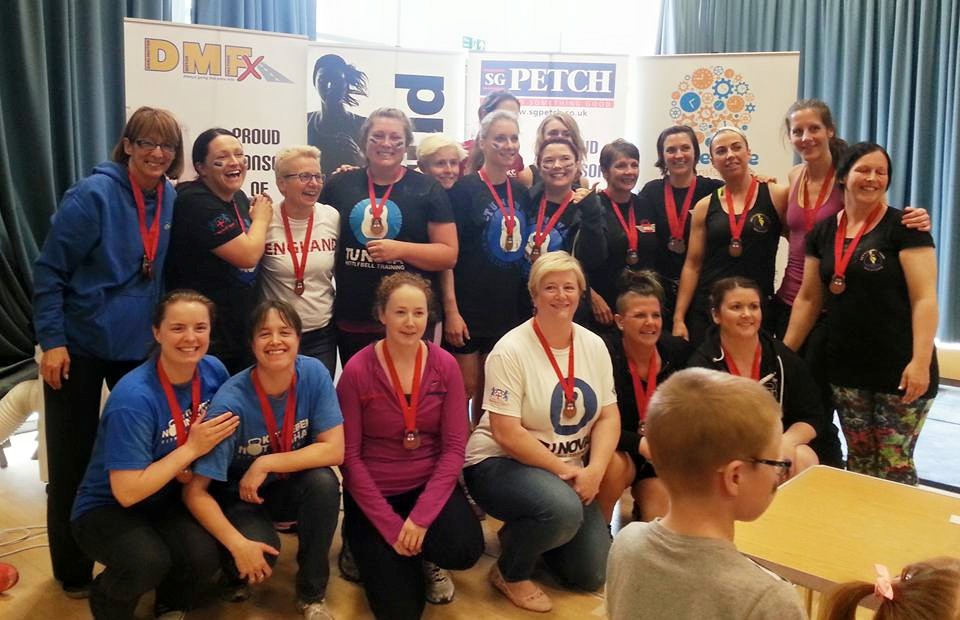
The word athlete conjures up images of Olympic performance but simply refers to someone who competes in a sport. I have been entering events and competitions for 14 years now. These range from a local 5k charity running event to international competition. They are not for everyone, but for many, they provide a focus for training, a new goal to work towards and give a sense of satisfaction when you cross that finish line. There are other benefits too, new friends and new meaning in life…
Preparing for an event does take some commitment (but that can be part of the reward), time to prepare and investment in resources. The level of commitment depends on the scale of the event, your personal goals and the type of event. Even a 5K ‘Race for Life’ requires some thought, suitable footwear and a little training to ensure you can run or walk the distance if you don’t walk or run regularly.

Let’s talk about training. The received wisdom is that it takes 12 weeks to prepare for a competition, however this does depend on how fit and healthy you are already, the type of competition and your goals. You can go from couch to 5k in 12 weeks and get round. Couch to marathon can take around 6 months as it’s important to acclimatise your body to the new challenge. For most sports, you have to train your body to move in the right way and develop enough cardio and muscle capacity to meet the challenge. For most people, competing to win takes several years of training consistently. Pushing yourself too hard, too soon risks injury and disappointment. Taking on a trainer or coach to help you through this process can really make a difference.
In my case, I learnt to leave plenty of preparation space between competitions and I engage a coach to help me through a safe and effective training program. I only compete two or three times a year. This gives me space to recover, work on skills and build the muscles I need, reduces the risk of injury and actually improves my performance. In the build up to a competition, those 12 weeks, I work closely with my coach who checks my form, and slowly conditions my body to meet the challenge.
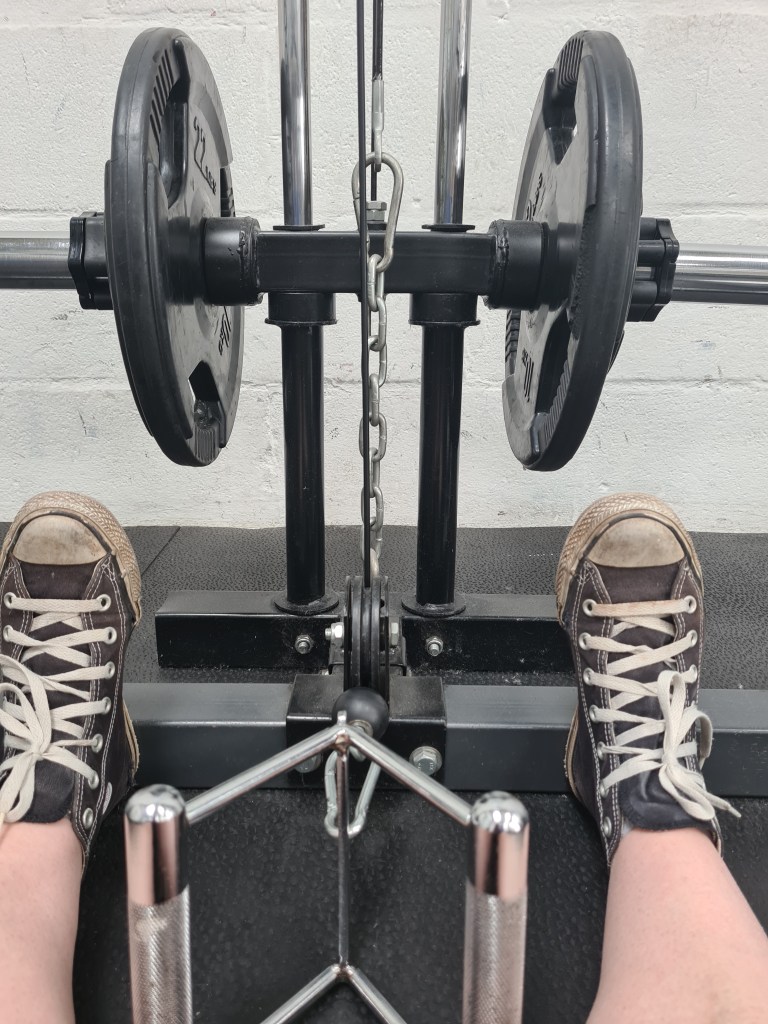
Alongside specific preparation, I have a program of assistance exercises which develop specific muscles, those that are going to support the main muscles I will need to use. It’s important to introduce some variation in your training as this aids progress and protects against injury. Runners should do some strength training, weightlifters need a little cardio, kettlebell sport competitors need both.
Regardless of the type of sport, it’s important to start training at 60-70% of the level you expect to achieve at the competition. Runners begin running short distances and build up to the longer distances, weightlifters train multiple reps with a light weight and build up to that one rep max. Experienced athletes never run the full distance or lift the heaviest weight before the competition, they will train at around 95% for a week or so before the competition and then rest. Training at 95% of your ability all the time leads to injury and a plateau, it’s not helpful.
There are other factors which lead to better performance. Getting enough sleep is important, your body needs rest, psychologically and physically. Good nutrition is essential, a varied diet is important, but you don’t need a cupboard full of supplements and sports drinks. I have been a vegetarian for 40 years, a meat free diet does not affect your lifting. Nutritional balance is the most important factor, plenty of fruit and vegetables and the right type of protein (that does not necessarily mean meat). If you are considering a plant-based diet, do your research, ensure you have enough B12 and your protein sources are well balanced.

Competition/event day is always nerve jangling, no matter the level of the competition or your experience, witness the queues for the toilets at running events. I used to look calm when standing on the platform waiting to compete, but in my head, I was fighting the urge to run away! This is natural, it means that you care about what you are doing. Channel the adrenalin you are producing to improve your performance and try to enjoy the experience. Win, lose, come somewhere in between, the life experience is priceless.
Although I can now write my own programs, I continue to work with a coach. There are three reasons; they bring their extensive experience, make sure my form does not drift and is efficient and, most importantly, push me harder than I would push myself. If you are considering signing up for a event, whether a 5K ‘Run for Life’ or a powerlifting meet and would like a helping hand, get in touch, tap into my experience; contact@skeats-strength.co.uk
 Skeats Strength